Proudly serving Tuscaloosa
Siding Materials Comparison Tuscaloosa
- Built for Alabama storms
- Serving Tuscaloosa County
- Upfront, no-surprise pricing
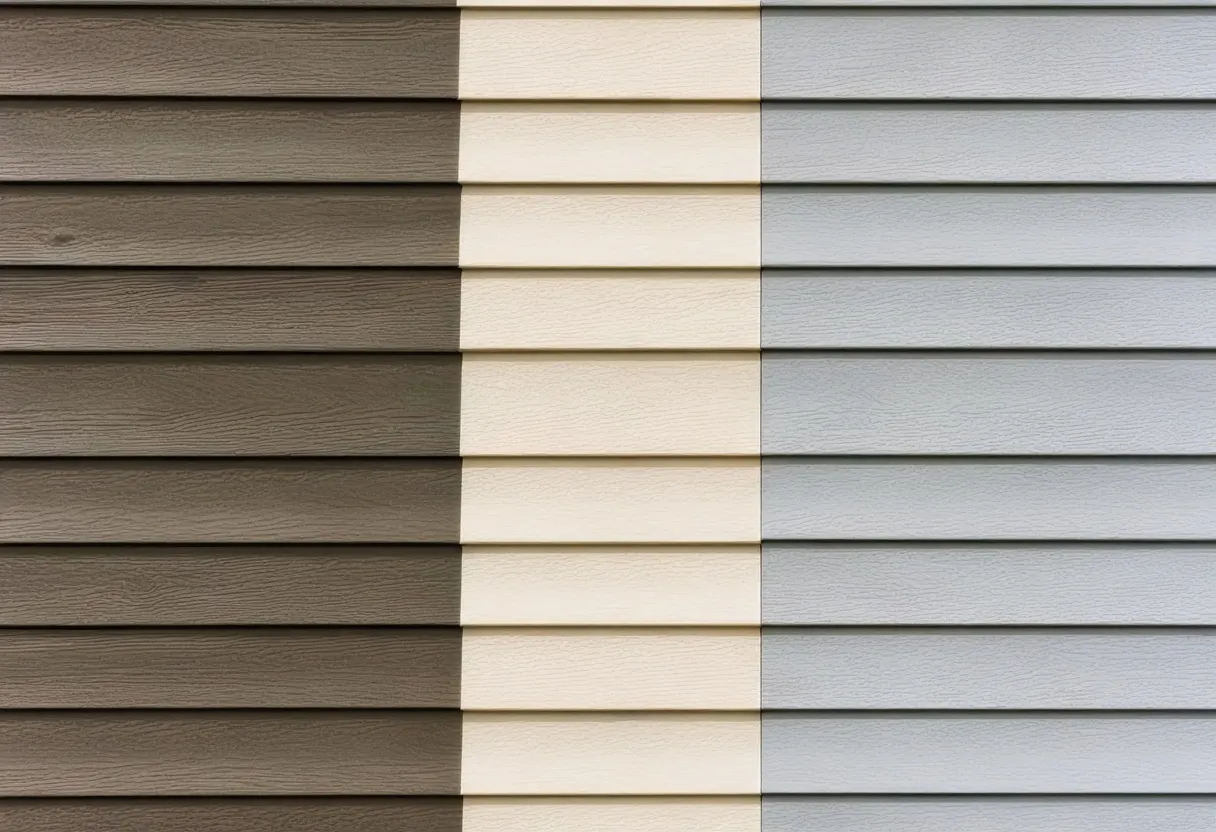
Most siding comparisons you'll find online rank materials by price and curb appeal, then call it a day. That works fine in a climate with mild summers and rare storms. It doesn't work in Tuscaloosa County, which sits inside a corridor that sees severe summer thunderstorms and occasional tornado activity, layered on top of months of sustained humidity that punishes any material engineered for a gentler environment. Here, the real comparison isn't just vinyl versus fiber cement on a spec sheet -- it's how each material behaves when wind-driven rain hits a west-facing wall in August, how it holds up after a storm knocks debris across a gable, and whether the fastening pattern that made it look great on move-in day is still doing its job three storm seasons later.
This page is built as a straight materials comparison, not a sales pitch for one product. We walk through what actually differs between vinyl, fiber cement, composite shake, natural wood, and metal siding when they're installed on homes across Tuscaloosa, Northport, Cottondale, and the North River area, so you can compare them the way they'll actually be tested -- not just the way they're marketed.
Why the Materials Comparison Looks Different in a Tornado-Corridor Climate
A generic national siding comparison assumes fairly uniform weather exposure. Tuscaloosa County doesn't offer that. Homes closer to open fields, ridgelines, or exposed lots around Cottondale and North River can take more direct wind-driven rain during a storm than a similarly built home tucked into a more sheltered subdivision near central Tuscaloosa or Northport. That difference matters more than most comparison articles admit, because it changes how forgiving a given material needs to be -- not just how it looks on a sample board.
Local permit codes exist specifically to govern how exterior cladding is fastened, flashed, and sealed, and those requirements apply regardless of which material you choose. That's an important distinction: the material comparison and the installation comparison aren't separate conversations. A premium material with a loose fastening schedule will underperform a mid-tier material installed correctly to code, especially once wind load gets involved. So when you're weighing options, you're really weighing two things at once -- how the material itself resists moisture, impact, and thermal movement, and how tolerant that material is of small installation variances, because even a careful crew works within real-world tolerances on every job.
Humidity adds a second layer most comparisons skip entirely. Alabama summers don't just bring occasional rain -- they bring months of sustained moisture in the air, which is a very different stress test than a single wet week. Materials that perform fine in a short rainy season can behave differently after a full summer of humidity sitting against the wall assembly. That's why this comparison weighs long-season humidity performance separately from storm-impact performance, rather than folding both into a single vague "durability" rating the way a lot of marketing material does.
The Five Things Worth Weighing Before You Compare a Single Price
Side-by-Side: How Each Material Actually Performs Here
Vinyl
Vinyl remains the most common siding choice across Tuscaloosa because it's budget-friendly and genuinely low-maintenance -- there's no repainting or sealing cycle to keep up with. Modern vinyl, including thicker-gauge and insulated panel options, resists impact far better than older vinyl products. Its main vulnerability in our climate shows up on sun-heavy south- and west-facing walls, where sustained summer heat can occasionally cause thermal warping if the material or the fastening isn't well suited to that exposure. Repair-wise, individual panels can usually be swapped without disturbing the rest of the wall, which is a real advantage after isolated storm damage.
Fiber Cement
Fiber cement is denser, heavier, and noncombustible, and it holds paint far longer than wood without the warping risk vinyl can show on hot elevations. It resists wind-driven debris well because of its rigidity, but that same density means fastening tolerances are stricter -- correct nail placement and spacing matter more here than on almost any other material, and getting it wrong is a common cause of early cracking or popping. Where fiber cement pulls ahead of vinyl in this climate is on exposed, sun-heavy walls where thermal stability matters more than upfront cost.
Composite/Polymer Shake Siding
Molded polymer shake-style siding gives you the textured, rustic look of cedar shakes without absorbing moisture the way real wood does, so it doesn't split, cup, or draw wood-boring insects during humid stretches. It's lighter than fiber cement, which can speed installation, and it holds its shape and color more consistently through a full Alabama summer than natural cedar ever will. Most Tuscaloosa homeowners use it as an accent -- gables, dormers, porch areas -- rather than a full-elevation material, which also limits total exposure to any one weak point.
Natural Wood
Wood siding has a warmth and authenticity manufactured materials can't fully replicate, but it's the highest-maintenance option in this comparison by a wide margin. Sustained humidity is exactly the condition that accelerates wood's known weaknesses -- swelling, cupping, and paint failure -- if a re-stain or repaint cycle slips even one season. It's a legitimate choice for homeowners who want that specific look and are committed to the upkeep, but in a storm corridor with long humid summers, it carries more ongoing risk than any other material on this list.
Metal
Steel and aluminum siding, often in board-and-batten or standing-seam profiles, resist insects and rot entirely and can take a real beating from wind-driven hail without denting, particularly steel. It conducts heat more than the other options, so an insulated underlayment matters for energy performance, and surface scratches need prompt touch-up to prevent bare metal from being exposed to Alabama's humidity. For homeowners who want a modern look and are willing to pay more upfront for very low long-term maintenance, metal is one of the strongest performers in this comparison.
Turning This Comparison Into a Shortlist
Note which sides of your home face open ground, tree cover, or the direction summer storms typically hit -- exposure varies noticeably between a sheltered Northport lot and an open Cottondale or North River property.
Be honest about whether you want a repaint-and-reseal cycle or a genuinely hands-off exterior, since that alone eliminates or promotes several materials on this list.
Find out whether storm damage on your shortlisted material means a simple panel swap and color match or a larger section tear-out, since repairability affects long-term cost more than the install price does.
Get itemized pricing for two or three material options on the same house so you're comparing real numbers for your walls, not national averages.
Whatever material you land on, ask specifically how it will be fastened, flashed, and permitted -- that installation detail determines how well the comparison holds up in an actual storm.
One Written Comparison, Zero Guesswork
We provide side-by-side, itemized written estimates across the materials you're considering for your own home, and we pull permits where local code requires it. No verbal ballpark, no pressure to pick the priciest option -- just a straight comparison for your specific walls and exposure.
Comparison Questions Tuscaloosa Homeowners Ask Us Directly
What's genuinely the best siding material for Alabama's climate?
There's no single winner for every home, but for most Tuscaloosa properties, vinyl or fiber cement installed to code with proper flashing and a continuous moisture barrier gives the strongest combination of storm resilience, humidity resistance, and value. Metal and composite shake are excellent choices when a specific look or very low maintenance is the priority and the homeowner is comfortable with the associated cost.
Is vinyl or fiber cement actually better in a storm?
Both resist wind-driven debris well when installed correctly. Fiber cement's rigidity gives it an edge on exposed, sun-heavy elevations, while vinyl's advantage is that individual panels are simpler to repair after isolated damage. Installation quality -- correct fastening and flashing -- affects storm performance more than the material choice alone.
Can I mix materials on one house, like fiber cement on the main walls with a composite shake accent?
Yes, and it's a common approach in Tuscaloosa -- fiber cement or vinyl on primary elevations with composite shake as an accent on a gable, dormer, or porch area gives you visual contrast without committing an entire home to a heavier or pricier material.
Does the material I choose change how a storm repair is handled?
It does. Vinyl and composite shake panels are generally simpler to spot-replace and color-match. Fiber cement repairs require closer attention to fastening spec on the replacement section. Wood repairs often involve addressing moisture damage in addition to the visible crack or split. We assess this specifically for your material during any repair estimate.
Do local permit codes change depending on which material I pick?
Fastening patterns, moisture barrier requirements, and flashing details are governed by local permit codes and apply across materials, though the specific fastening tolerances differ by product -- fiber cement in particular has stricter nailing requirements than vinyl or composite shake.
Will a more expensive material always outperform a cheaper one in a storm?
Not automatically. A premium material installed with an under-driven or over-driven fastening pattern can fail before a correctly installed mid-tier material does. Material choice and installation quality both matter, and this comparison assumes correct installation as the baseline for every option.
Get Your Free Quote
Tell us about your home and we'll follow up with clear pricing and options.
More siding installation services
Ready to Talk Siding?
Reach out for a free, no-obligation quote on your project.