Proudly serving Tuscaloosa
Storm Damage Siding Repair Tuscaloosa
- Built for Alabama storms
- Serving Tuscaloosa County
- Upfront, no-surprise pricing
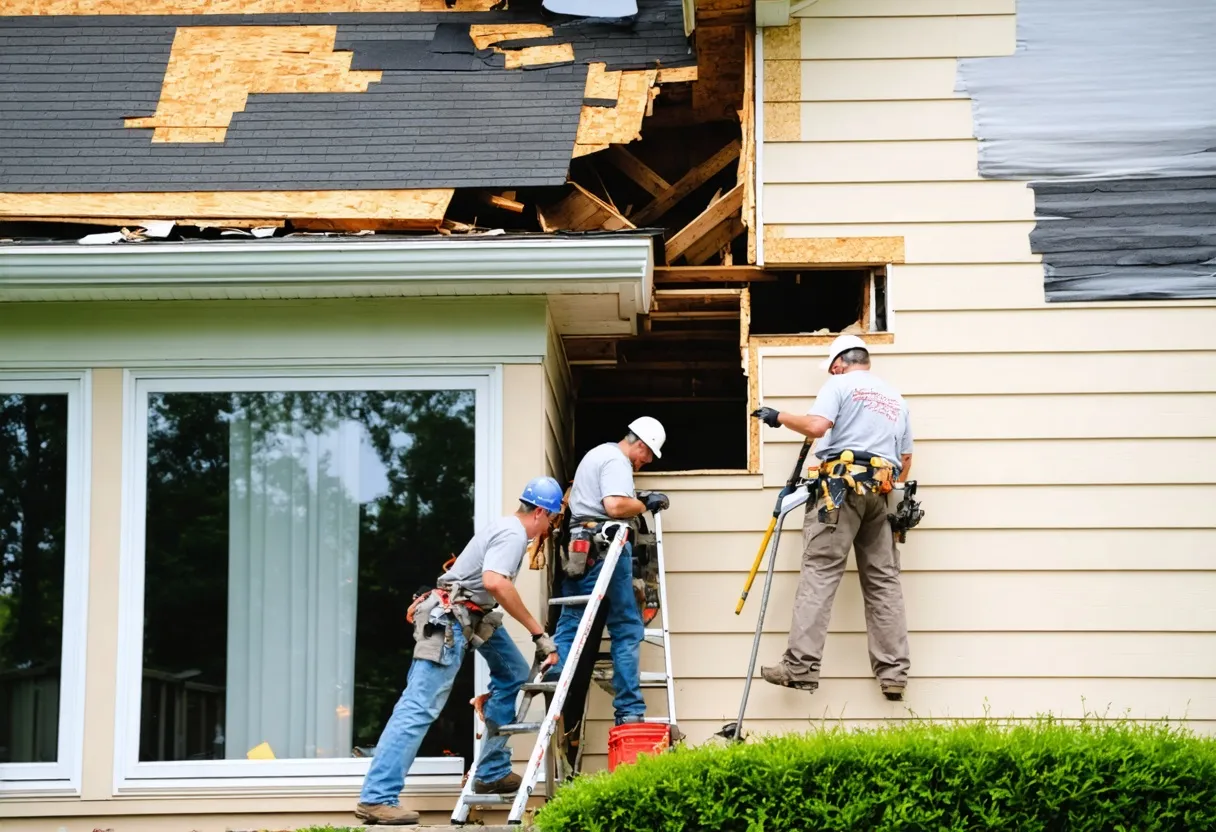
Storm damage siding repair in Tuscaloosa is a different job than routine siding maintenance, and it needs to be priced and handled differently too. Tuscaloosa County sits inside a recognized severe-weather corridor — the same summer thunderstorm cells that bring straight-line wind and hail here can, in the wrong setup, spin up rotational wind events that load a house's exterior in ways a standard wind-driven rain event never does. That distinction matters for how we inspect, how we scope the repair, and how we document the loss for an insurance claim.
This page walks through what's actually different about tornado-corridor and high-wind siding damage, what an adjuster needs to see before a claim moves smoothly, the repair process itself panel by panel, and how vinyl, fiber cement, wood, and metal each hold up when the next storm season arrives — all priced and explained in plain numbers, not a vague lump sum.
Why Tornado-Corridor Wind Loads Damage Siding Differently
A standard summer thunderstorm pushes wind in one general direction against a wall. Siding designed for that load resists it reasonably well when it's properly fastened. A tornado's outer bands, or the straight-line wind gusts that often accompany a severe storm cell moving through Tuscaloosa County, do something different: the wind direction shifts rapidly, sometimes reversing within seconds, which twists and pulls at siding rather than simply pressing on it.
That twisting load tends to shear panels off at the locking edge instead of just denting or cracking them in place. On a house that's taken a direct or glancing hit, it's common to find total panel loss concentrated on the elevation that faced the wind, while the adjacent walls — the ones that weren't hit head-on — show subtler damage: lifted starter strips, loosened corner posts, and seams that have opened just enough to let wind-driven rain behind the wall assembly without anything looking obviously broken from the ground.
This is why we don't treat a storm inspection as a spot-check of the panel that's visibly cracked or missing. We walk every elevation, run a hand along seams that look intact, check the fastening pattern where panels are accessible, and look at flashing around windows and doors on all four sides of the house — not just the side that clearly took the worst of it. Rotational wind damage hides on the walls you weren't worried about, and that's exactly where a rushed repair misses it.
Hail Adds a Second, Slower-Moving Problem
Hail events that ride along with these same storm systems crack vinyl in a fine spiderweb pattern that's nearly invisible at first — the cracks widen later as the sun heats the panel through a Tuscaloosa summer. Fiber cement chips at the point of impact, sometimes along factory score lines. None of it is as dramatic as a torn-off panel, but it's just as capable of letting moisture behind the wall over a season if it's never inspected.
What Your Insurance Adjuster Actually Needs to See
How We Handle a Storm Damage Repair, Start to Finish
We walk every elevation of the house, not just the side with visible damage, checking seams, fastening, flashing, and any exposed house wrap for signs of the wind twist damage that hides on adjacent walls.
You get a dated photo record and a written scope of the damage before any repair work begins, which is the same documentation set your insurance adjuster will need if you file a claim.
Materials, labor, disposal, and any code-driven upgrades are broken out as separate line items so you can see exactly what you're paying for and compare it directly against an insurance settlement offer.
Damaged panels and trim come off cleanly, and any water-damaged sheathing found underneath gets addressed before new siding goes up — covering it over is how a small storm repair turns into a rot problem two years later.
New siding, trim, and flashing go in to manufacturer specs and current Tuscaloosa-area permit requirements, and we review the finished work against the original estimate before calling the job done.
Repair vs. Upgrade: What Goes Back Up After a Storm
Storm damage forces a decision homeowners don't usually face on their own timeline: match what was already there, or use the repair as a reason to upgrade to something more storm-resistant. Here's how the common materials actually compare for Tuscaloosa's mix of humidity, summer storm frequency, and occasional high-wind events.
Vinyl
Vinyl is what most homes in the area are already wearing, and it's usually the least expensive and fastest material to repair. Modern vinyl resists wind loads well above a typical thunderstorm's output and won't rot or attract termites in Tuscaloosa's humidity, but a direct hail or debris hit tends to crack it rather than just dent it — which is the damage pattern we see most often after a storm.
Fiber Cement
Fiber cement is the upgrade path we recommend most for storm-exposed properties. It's dense, doesn't burn, resists impact better than vinyl, and holds paint longer than wood. It costs more up front and is heavier to install, so labor runs higher, but for a homeowner tired of repairing the same wall after every rough storm season, the long-term math often favors it.
Wood
Wood is common on older homes in some Tuscaloosa neighborhoods where the look matters. It needs more upkeep and is more vulnerable to rot if a storm-damaged board sits unrepaired through a humid stretch, but individual boards are usually replaceable without disturbing the rest of the wall, which keeps repair costs contained compared to a full-elevation job.
Metal
Metal panel systems offer the highest raw wind-uplift resistance of the four and won't crack, splinter, or absorb water. It's less common residentially here and can dent under severe hail, but it's worth considering on outbuildings, additions, or for homeowners who want maximum durability over matching a traditional lap-siding profile.
One Repair Scope, Written Down Before Anything Starts
Whether the damage is one cracked panel or a full elevation torn loose, you get a full-exterior inspection and an itemized estimate before we touch anything — the same documentation set that supports an insurance claim if you're filing one.
Storm Damage Siding Repair: Questions Tuscaloosa Homeowners Ask
Rotational and straight-line wind loads twist and pull at panels rather than just pushing on them, which tends to shear siding off at the locking edge on the wind-facing wall while loosening seams and corner posts on adjacent elevations that aren't visibly damaged yet. We inspect every wall, not just the obviously affected side.
Most policies cover sudden, storm-related siding damage, but coverage details, deductibles, and code-upgrade provisions vary by policy. We provide the itemized estimate and photo documentation your claim will need, and we'll flag anywhere your specific policy language should be confirmed with your carrier.
Often yes — we check the manufacturer, color, and profile of your current siding to see if a match is still available. If it's been discontinued or has sun-faded noticeably compared to new material, we'll walk you through whether a slight color variance on a partial repair is acceptable or whether a fuller replacement makes more sense.
Yes. Hairline hail cracks and lifted panels from wind twisting are often invisible until the sun heats the panel or someone runs a hand along the seam. A full-exterior walk-around after any significant storm catches this early, before it turns into a moisture problem behind the wall.
Sometimes. Current codes in the Tuscaloosa area can require upgrades beyond a strict like-for-like replacement — updated flashing or house wrap, for example, when a wall is opened up for repair. We flag where this applies and where it's worth confirming with your insurance carrier before work begins.
We serve Tuscaloosa and the surrounding communities, including Northport, Cottondale, and North River, along with other parts of Tuscaloosa County — which matters most in the days right after a widespread storm event, when quick response limits how long a wall stays exposed.
Get Your Free Quote
Tell us about your home and we'll follow up with clear pricing and options.
More siding installation services
Ready to Talk Siding?
Reach out for a free, no-obligation quote on your project.